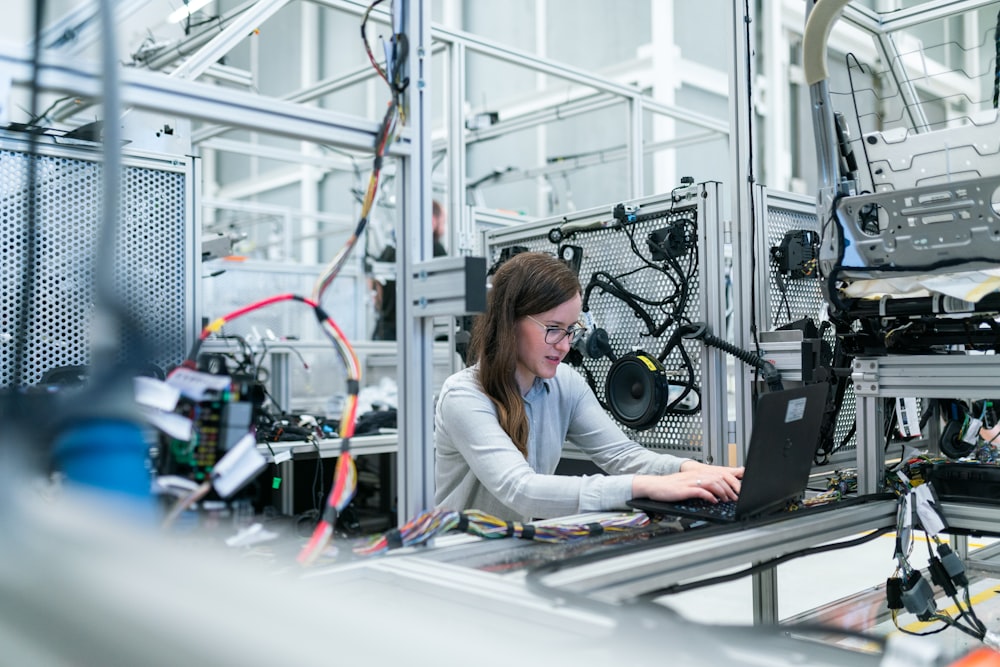
Master of Mechatronics Engineering
Learn to integrate mechanical, electronic, and software components into smart machines, robots, and automated systems used across modern industry and healthcare.
Where mechanics, electronics, and code meet
The Master of Mechatronics Engineering at Val Tech Institute trains engineers who work across hardware and software.
Students study robotics, embedded electronics, sensors, control theory, and intelligent design.
The programme focuses on building adaptive, automated systems for industry, mobility, and healthcare.
Robots, sensors, and control
Robotics and autonomous systems
Design robots that sense, decide, and act.
Embedded systems and sensors
Program microcontrollers and connect them to sensors and actuators.
Control engineering
Design control systems that keep machines stable and accurate.
Graduates can build smart systems from the ground up.
Build the smart machines of tomorrow
The programme prepares graduates to design and improve automated systems used in modern manufacturing and beyond.
It builds the cross-disciplinary thinking needed to solve problems that no single field can handle alone.
Simulation, prototyping, and digital twins
Key themes move from virtual models to working prototypes.
Modelling and simulation
Test designs virtually before building hardware.
Product design and prototyping
Turn concepts into working prototypes.
Human-machine interfaces and digital twins
Design how people interact with machines and how systems are mirrored digitally.
Students learn modern methods for faster, smarter product development.
Labs, prototypes, and system projects
Robotics and electronics labs
Work with hardware, sensors, and control boards.
Integrated system projects
Design a complete system that combines mechanics, electronics, and code.
Industry automation case studies
Study how automation is applied in real production settings.
Applied projects give graduates practical evidence of their skills.
Careers in mechatronics and automation
Graduates work in manufacturing, robotics, automotive, medical devices, and smart technology.
Mechatronics Engineer
Design systems that combine mechanics, electronics, and software.
Robotics Engineer
Build and program robotic systems.
Automation and Control Engineer
Design control systems for automated processes.
Embedded Systems Engineer
Develop the hardware and firmware inside smart devices.
Test and Validation Engineer
Check that complex systems work safely and reliably.
Smart Manufacturing Specialist
Apply automation and data to production lines.
From engineering foundations to integrated systems
Students can move from undergraduate software and hardware engineering study into this master's, then continue toward doctoral research.
Start your mechatronics conversation
Share your academic background, technical experience, and career goals. Admissions can guide you on documents and programme fit.
- Degree background in engineering
- Electronics or programming experience
- Interest in robotics, control, or embedded systems
- Career goal after the master's